
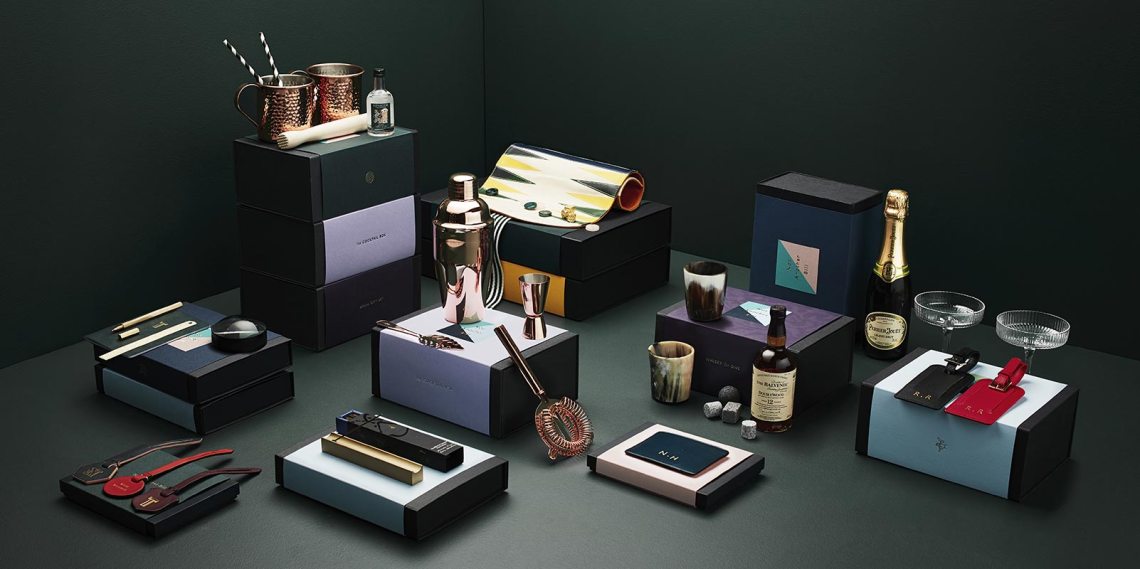
The first day at a new company is one of the most emotionally loaded days in a professional’s life. There’s anticipation, a little anxiety, and an almost childlike need to feel like you belong. What a new employee receives — or doesn’t receive — on that first day sets the tone for everything that follows.
This is why employee welcome kits have gone from a nice-to-have to a genuine strategic tool for companies serious about culture, retention, and employer branding. And for growing companies hiring in volume, the challenge quickly becomes: how do we deliver a meaningful welcome experience at scale without the per-unit cost spiralling out of control?
The answer lies in doing bulk welcome kits right — not cheaply, but smartly.
Why Welcome Kits Matter More Than Companies Think
Before we talk cost, let’s establish why this matters.
Research consistently shows that employees who have a structured, positive onboarding experience are significantly more likely to stay with a company beyond their first year. A welcome kit is one of the most tangible touchpoints in that experience — it’s physical evidence that the company was prepared for the new hire’s arrival and thought about their first day.
A great corporate welcome kit doesn’t just hand over stationery and a mug. It communicates: “You’re part of something here. We’re glad you chose us.”
Now multiply that feeling across 50, 100, or 500 new joiners, and you start to see why getting the bulk welcome kit strategy right is worth real attention.
The Common Mistake: Cutting Cost by Cutting Quality
The most predictable cost-saving move is to reduce the quality of individual items in the kit. Swap the good notebook for a thin one. Replace the quality pen with a generic one. Choose cheaper fabric for the tote. Drop a product or two from the kit entirely.
The result? A welcome kit that feels like an afterthought. The new hire opens it, glances through it, and the entire first-impression opportunity is squandered. Worse, they might compare it to what they received at their previous employer — and the company ends up looking like it doesn’t value its people.
Cost saving through quality reduction is a false economy. The cost you save in the procurement budget you lose in the perception budget — and perception, in the context of employer branding, has a real dollar value.
So what’s the alternative?
Smart Cost-Saving Strategies That Don’t Touch Quality
1. Commit to Volume Upfront
This is the single most powerful lever in bulk welcome kit procurement. The more units you commit to, the lower your per-unit cost — often dramatically so.
If your company is in a growth phase and you know you’ll be hiring 200 people over the next year, procure bulk welcome kits for 200 people now rather than ordering 20 at a time throughout the year. The difference in cost per kit can be 20–40%, sometimes more, depending on the supplier.
Work with your HR and finance teams to forecast hiring volumes three to six months out. That forecast becomes your procurement brief.
2. Standardize the Kit, Personalize the Touch
Here’s a principle that the best corporate gifting companies in Mumbai have refined: standardize the products, personalize the experience.
The items inside your bulk welcome kits can be consistent across all new hires — same notebook, same pen, same branded tote, same company handbook. This standardization is what enables bulk purchasing and its associated cost benefits.
The personalization happens at the layer above: a card with the employee’s name and a personalised welcome message, a name tag or lanyard pre-printed with their name, or even just the box addressed to them by name. This layer of personalization costs a fraction of individually curating each kit, but delivers nearly the same emotional impact.
3. Choose Products That Are Durable and Useful, Not Trendy
Trend-driven items — gadgets that feel exciting today but have a short utility shelf life — are cost traps. They’re often expensive, they go out of fashion quickly, and they require frequent catalogue refreshes that eat into your procurement efficiency.
The best products for customized corporate welcome kits are those that are genuinely useful in daily work life: quality notebooks, durable water bottles, well-made pens, branded desk accessories, practical organisers, or high-quality bags. These products have long utility lives, they keep your brand visible for longer, and they’re generally more cost-stable in bulk procurement.
Useful beats trendy, every time.
4. Source Through a Single Trusted Supplier
One of the most underestimated cost drivers in bulk welcome kit procurement is fragmented sourcing — buying the notebook from one vendor, the mug from another, the tote from a third, and having someone internally manage the assembly and quality check.
Working with a single end-to-end corporate gifting solutions provider who handles procurement, customization, assembly, quality control, and delivery eliminates that overhead entirely. The cost savings from reduced internal coordination and vendor management often offset any price premium that a full-service supplier might charge.
For companies in Mumbai, working with an established corporate gift supplier in Mumbai who manages the full chain from product to doorstep is typically the most cost-efficient model at scale.
5. Plan Around Procurement Cycles, Not Joining Dates
Most companies make the mistake of ordering welcome kits reactively — someone joins, the kit is ordered, and there’s a last-minute scramble. This approach is the most expensive way to operate.
A better model: procure in planned cycles (quarterly, biannually), maintain a buffer stock of assembled kits, and simply dispatch from inventory when a new hire joins. This approach unlocks volume-based pricing, eliminates rush-order premiums, and ensures every new employee receives their kit without delay.
It also gives you the lead time needed for proper customization — which brings us back to quality.
What Should a Quality Bulk Welcome Kit Actually Include?
There’s no single answer to this, but here’s a framework based on what works:
Essential (functional, daily use): A quality notebook, a good pen, a branded bag or backpack, and a water bottle or travel mug. These four items are used daily, which means your brand stays visible in the recipient’s life constantly.
Brand expression: A welcome card with a personal message, a company handbook or brand booklet, and any team-specific materials. This is where the company tells its story.
Practical onboarding: Stationery items, any equipment accessories relevant to the role, or a gift card for their first office meal or coffee. These signal that the company has thought practically about their first day.
Optional premium additions: For senior hires or special roles, consider adding a premium item — a leather cardholder, a quality desk organiser, or a curated wellness item. These differentiate the kit without overhauling the entire procurement strategy.
Quality Control: The Step That Makes or Breaks Bulk Orders
Bulk ordering creates a specific risk that doesn’t exist in small orders: quality inconsistency across units. One notebook might have a misaligned cover. A batch of totes might have a slightly off-colour print. A box of pens might have one that doesn’t write smoothly.
At scale, even a small defect rate translates to a meaningful number of employees receiving a substandard kit. This is why quality control at the assembly stage — not just the procurement stage — is non-negotiable.
Work with corporate gifting suppliers who have a formal QC process for bulk orders: batch sampling, visual inspection, and defect reporting before dispatch. At Craft Enterprises, every bulk welcome kit order goes through a structured quality check before it leaves our facility — because a 2% defect rate in a 500-unit order means 10 employees receive a compromised first impression, and that’s 10 too many.
The Long View on Welcome Kit Investment
Think about what it costs to hire a new employee: job ads, recruiter fees, interview time, onboarding hours, training resources. Estimates vary, but the cost of hiring and onboarding a single employee is often 3–6 months of their salary.
Against that backdrop, the cost of a high-quality bulk welcome kit — even at a premium — is a rounding error. But its impact on that employee’s first impression, their sense of belonging, and their early commitment to the organisation is disproportionately large.
The question for cost-conscious HR and procurement teams isn’t whether to invest in welcome kits. It’s how to do it smartly at scale.
Ready to Build Your Bulk Welcome Kit Strategy?
At Craft Enterprises, we work with companies across Mumbai and India to design, produce, and deliver bulk welcome kits that balance quality, brand identity, and cost efficiency — without compromise.
Whether you need 50 kits or 5,000, we handle everything from product selection and customization to assembly and delivery, so your new hires receive an experience that reflects the company they’ve just joined.